Por que é necessário distinguir entre terra analógica e terra digital no projeto de circuitos?
Os circuitos das unidades de sensores que normalmente projetamos incluem circuitos de processamento de sinal digital (como um microcontrolador) e circuitos analógicos (incluindo o sensor de entrada e sua amplificação de sinal). Simplificando, o terra digital é o terminal de referência comum para o circuito digital, ou seja, o terminal de referência para sinais de tensão digital; o terra analógico é o terminal de referência comum para o circuito analógico, o terminal de referência de tensão (ponto de potencial zero) para sinais analógicos.
Como os sinais digitais são geralmente ondas retangulares com um grande número de harmônicos, se o terra digital e o terra analógico na placa de circuito não estiverem separados no ponto de conexão, os harmônicos do sinal digital podem interferir facilmente na forma de onda do sinal analógico. Quando o sinal analógico é de alta frequência ou alta tensão, ele também afetará o funcionamento normal do circuito digital. Os circuitos analógicos lidam com sinais fracos, mas os circuitos digitais têm níveis de limiar mais altos, portanto, seus requisitos de alimentação são menores do que os dos circuitos analógicos. Em sistemas com circuitos digitais e analógicos, o ruído gerado pelos circuitos digitais pode afetar os circuitos analógicos, degradando seu desempenho em pequenos sinais. Para garantir a integridade do sinal e evitar interferência mútua, o terra analógico e o terra digital devem ser separados.
No projeto esquemático, o plano de terra da área digital é identificado como DGND e o plano de terra da área analógica como AGND. Em seguida, no projeto da placa de circuito impresso (PCB), o plano de terra é dividido em terra digital e terra analógica, com uma grande distância entre eles. O terra digital e o terra analógico devem ser aterrados em um único ponto, seja diretamente ou por meio de isolamento de componentes.
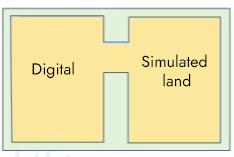
1. Conexão direta. Como mostrado na Figura 1, os dois componentes são conectados em um único ponto através de uma ampla folha de cobre. Este método é adequado para sistemas de baixa frequência ou sistemas que não são sensíveis a ruídos.
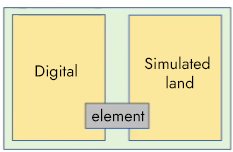
2. Conexão com Isolamento de Componentes. Como mostrado na Figura 2, este método de conexão utiliza um núcleo de ferrite ou um resistor de 0 ohm para conectar os componentes. Este é um método de conexão primário. O circuito equivalente de um núcleo de ferrite é semelhante a um filtro de rejeição de banda, suprimindo o ruído apenas em uma frequência específica. Se a faixa de frequência do ruído for conhecida, um núcleo de ferrite é a melhor escolha. Um resistor de 0 ohm atua como um caminho de corrente muito estreito, limitando efetivamente a corrente do circuito e suprimindo o ruído. Os resistores têm efeitos de atenuação em todas as faixas de frequência (mesmo um resistor de 0 ohm possui impedância), tornando-o a melhor escolha quando a faixa de frequência do ruído é incerta.

Xml política de Privacidade blog Mapa do site
Direitos autorais @ Micro-Magic Inc Todos os direitos reservados.
 REDE SUPORTADA


 Português